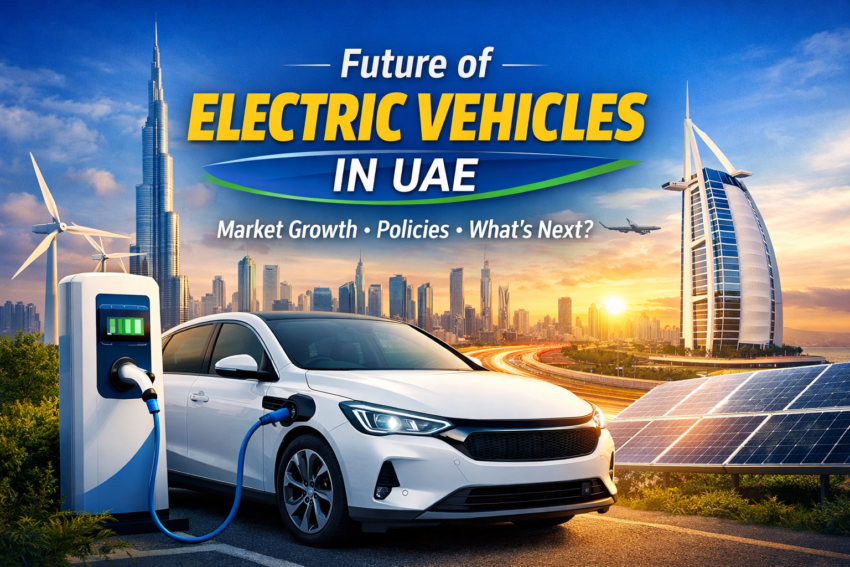
The United Arab Emirates is rapidly transforming its transportation sector, with electric vehicles becoming a major part of the country’s long-term vision. As fuel efficiency, sustainability, and smart mobility gain importance, electric vehicles are no longer seen as a future concept but a practical solution already taking shape across the UAE.
From government initiatives to growing private investment, the shift toward electric mobility is accelerating faster than many expected.
Growing Electric Vehicle Market in the UAE
Over the past few years, the electric vehicle market in the UAE has seen steady growth. Major cities such as Dubai and Abu Dhabi are leading this transition, with an increasing number of residents choosing electric cars for daily commuting.
International EV brands, along with regional automotive companies, are expanding their presence in the UAE. This growing demand is driven by rising fuel costs, environmental awareness, and advancements in battery technology that make electric vehicles more reliable and efficient.
Government Support and Vision
One of the strongest drivers behind the future of electric vehicles in the UAE is government support. The country’s long-term sustainability goals, including the Net Zero 2050 strategy, focus heavily on reducing carbon emissions and promoting clean energy solutions.
Authorities are actively encouraging the adoption of electric vehicles through policy support, infrastructure development, and smart city planning. These efforts are positioning the UAE as a regional leader in sustainable transportation.
Expansion of Charging Infrastructure
A reliable charging network is essential for EV adoption, and the UAE has made significant progress in this area. Public charging stations are being installed in residential areas, shopping malls, office buildings, and highways.
Private companies are also investing in fast-charging solutions, making it easier for EV owners to charge their vehicles conveniently. As charging technology improves, range anxiety is becoming less of a concern for drivers.
Benefits of Electric Vehicles in the UAE
Electric vehicles offer several advantages that make them well-suited for the UAE market:
-
Lower long-term operating costs compared to fuel vehicles
-
Reduced environmental impact and emissions
-
Advanced smart features and connected technology
-
Quiet and smooth driving experience
For businesses, EVs also provide cost savings in fleet management and align well with corporate sustainability goals.
Challenges That Still Exist
Despite rapid growth, some challenges remain. The initial cost of electric vehicles can still be higher than traditional cars, and awareness about EV maintenance is limited among new buyers.
However, as technology advances and competition increases, prices are expected to become more accessible, making EVs a mainstream option in the coming years.
Role of Technology and Innovation
Technology plays a crucial role in shaping the future of electric vehicles in the UAE. Artificial intelligence, smart energy systems, and connected vehicle technology are being integrated to improve efficiency and performance.
These innovations not only enhance driving experience but also support better energy management, especially when combined with renewable energy sources.
What the Future Holds for Electric Vehicles in UAE
The future of electric vehicles in the UAE looks promising. Industry experts predict continued market growth, increased investment, and wider adoption among individuals and businesses.
Electric vehicles are expected to become a common sight on UAE roads, supported by smart infrastructure and advanced mobility solutions. As sustainability becomes a priority, EVs will play a key role in shaping the country’s transportation ecosystem.
Conclusion
The UAE is moving confidently toward a cleaner and smarter transportation future. With strong government support, expanding infrastructure, and growing consumer interest, electric vehicles are set to become a major part of everyday life.
For individuals, businesses, and investors, the electric vehicle sector represents not just an environmental choice, but a smart and forward-looking opportunity.